Written by the Instructor Team at Nemo Dive Center · PADI 5-Star Resort, Halkidiki, Greece
Updated: June 2026 · 14-min read
About the authors: The instructors at Nemo Dive Center have dived across multiple continents and teach PADI courses in the Aegean Sea year-round. This guide reflects real experience — destinations we have dived, researched with dive travel operators, and recommended to our students.
Key Takeaways
- The best scuba diving destinations in the world span six oceans and every skill level — from the warm, beginner-friendly bays of Halkidiki to the demanding open-ocean currents of the Galápagos
- Raja Ampat, Indonesia holds the record for the highest marine biodiversity of any dive destination on earth — over 1,500 fish species and 600 coral species
- The Great Barrier Reef is the world's largest coral reef system at over 2,300 km — and is best dived June through October, outside jellyfish season
- Sipadan Island strictly limits daily permits to protect its pristine reefs — book months in advance
- The Maldives, Palau, and Cozumel are all year-round destinations with distinct seasonal peaks for specific marine encounters
- Halkidiki, Greece is the Mediterranean's most underrated dive destination — clear Aegean water, ancient shipwrecks, underwater caves, and no crowds
- If you are new to diving, read our complete beginner's guide to scuba diving before planning your first dive trip
1. Great Barrier Reef, Australia
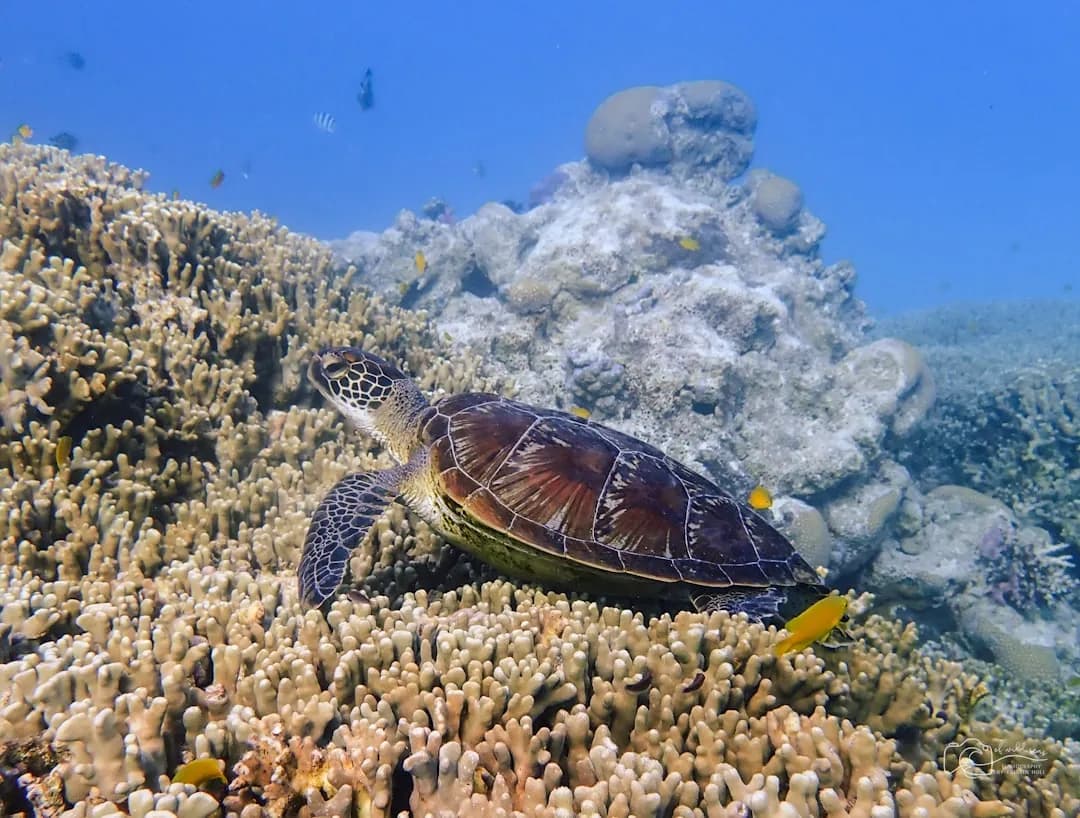
The Great Barrier Reef stretches over 2,300 kilometres off the coast of Queensland and is the largest coral reef system on earth. It is a UNESCO World Heritage Site and supports over 1,500 species of fish, 400 species of coral, and significant populations of sharks, rays, sea turtles, and dolphins.
What makes it exceptional for divers is the sheer variety. A single liveaboard trip can take you from shallow inner-reef bommies alive with small reef fish to deep walls dropping 30+ metres into blue water where pelagics — including whale sharks and manta rays — patrol the current lines.
Note: Coral bleaching events driven by rising sea temperatures have affected parts of the reef over the past decade. When booking, prioritise operators who dive the northern and outer sections — these remain the most pristine.
2. Great Blue Hole, Belize
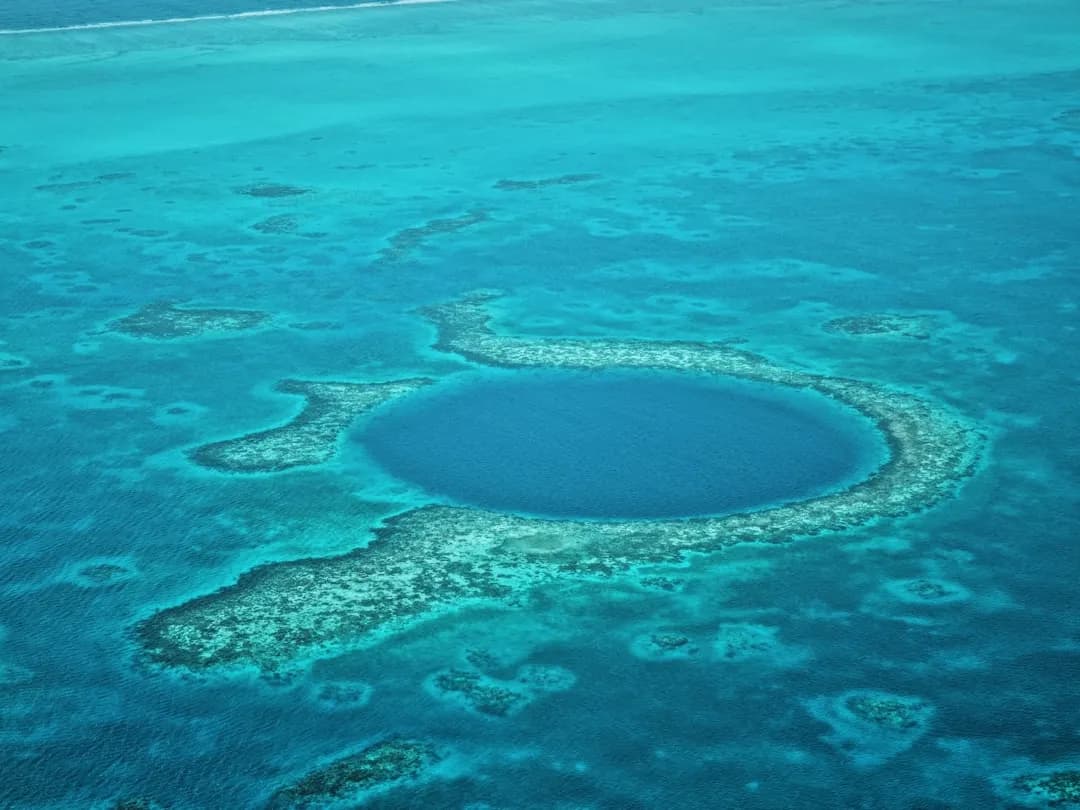
The Great Blue Hole near Lighthouse Reef is one of the most photographed dive sites on earth and is on almost every serious diver's bucket list. It is a circular marine sinkhole approximately 300 metres in diameter and 124 metres deep, formed during the last ice age when sea levels were lower and the cave system was above water.
The dive itself is more geological than biological. You descend along near-vertical walls past enormous stalactites and stalagmites — evidence of the cave's terrestrial past — at depths typically between 28 and 40 metres. Marine life is relatively sparse compared to the surrounding Belize Barrier Reef, but reef sharks are a regular presence near the rim.
3. Raja Ampat, Indonesia
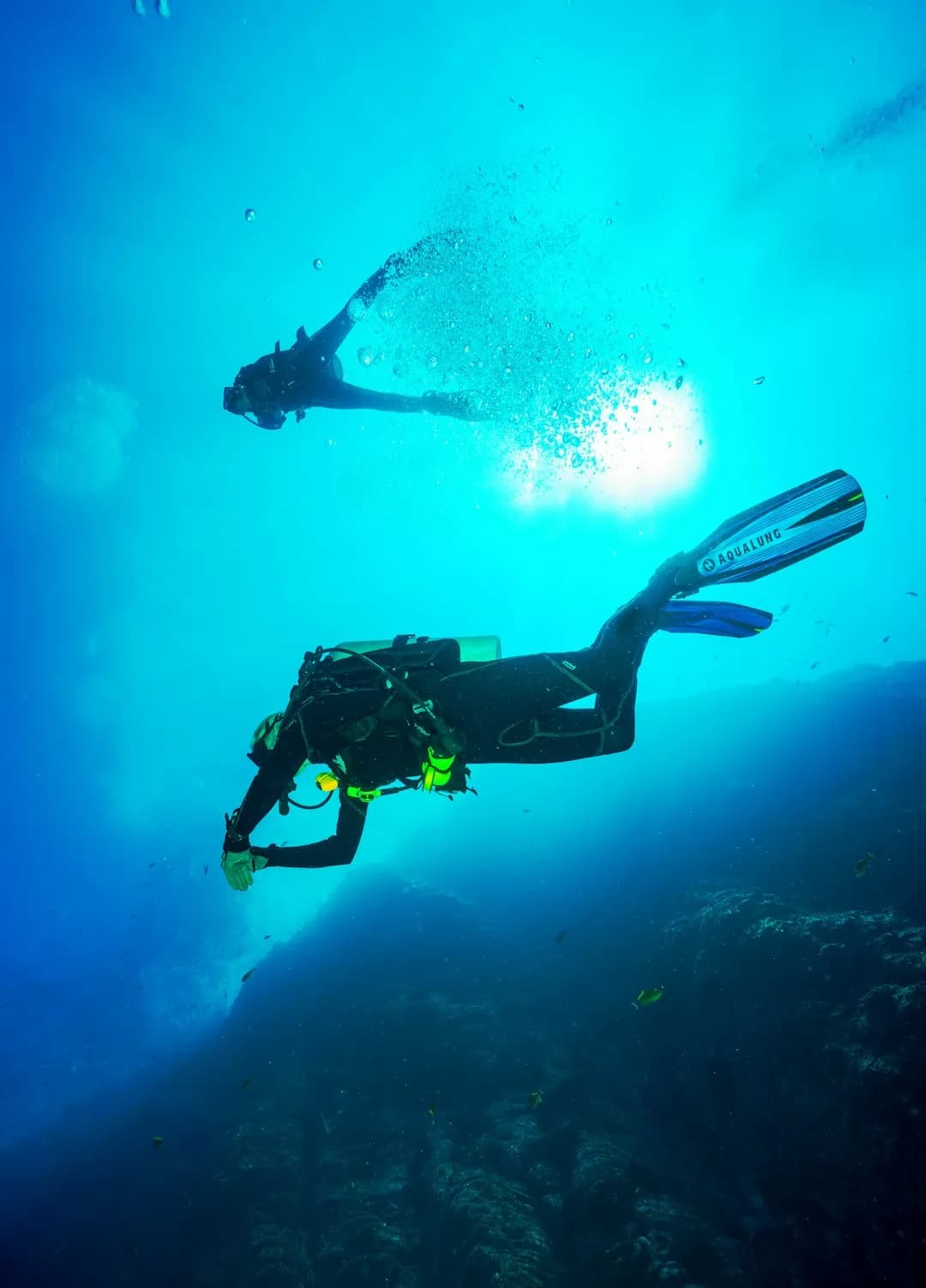
Raja Ampat sits at the heart of the Coral Triangle — the most biodiverse marine region on earth. Located in West Papua, Indonesia, the archipelago of 1,500+ islands contains more marine species per square kilometre than anywhere else on the planet: over 1,500 fish species and more than 600 coral species have been recorded here.
What distinguishes Raja Ampat from other high-biodiversity destinations is the density. On a single dive, you may encounter pygmy seahorses, wobbegong sharks, cuttlefish, schooling barracuda, and manta rays — not as occasional highlights, but as routine encounters. The soft coral coverage is extraordinary; walls and seamounts are blanketed in colour from the surface to depth.
4. Galápagos Islands, Ecuador
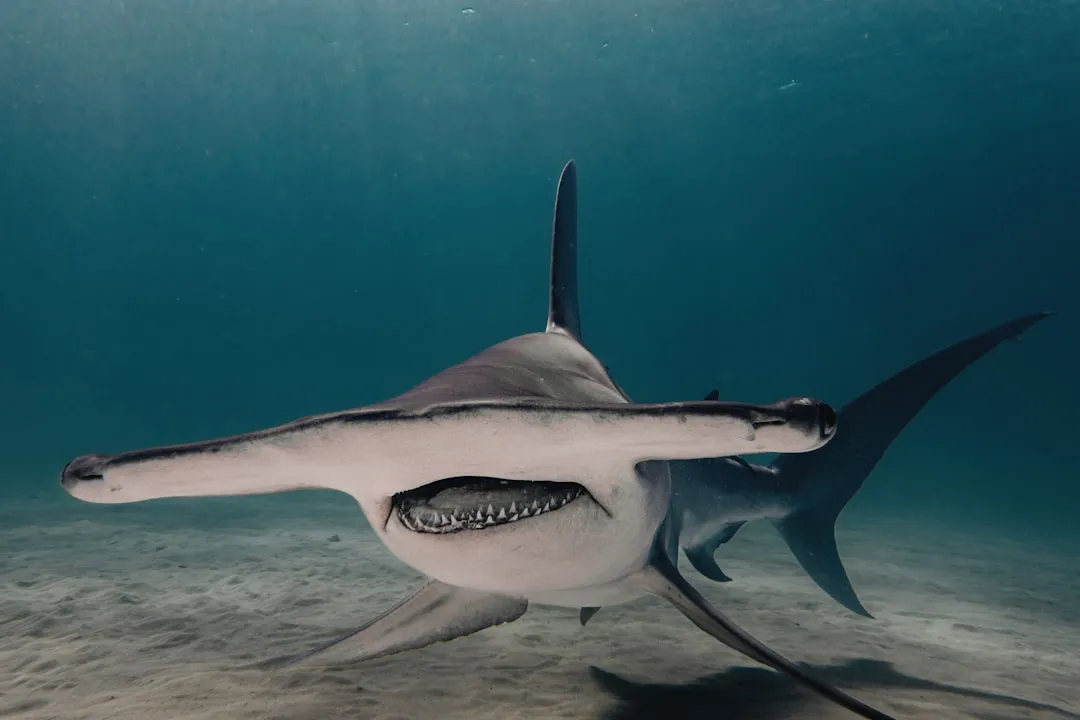
The Galápagos sits approximately 1,000 kilometres from the Ecuadorian mainland at the confluence of three major ocean currents — the Humboldt, Cromwell, and Panama — which funnel cold, nutrient-rich water upward and support one of the most spectacular concentrations of large pelagic marine life anywhere in the world.
This is not a reef destination. Visibility can be limited, water temperatures vary dramatically, and currents can be powerful. It demands experience. In return, it delivers encounters that simply do not exist elsewhere: schools of hammerhead sharks in the hundreds, whale sharks, marine iguanas feeding underwater, Galápagos sea lions, mola mola, and flightless cormorants that swim beside you.
5. Red Sea, Egypt
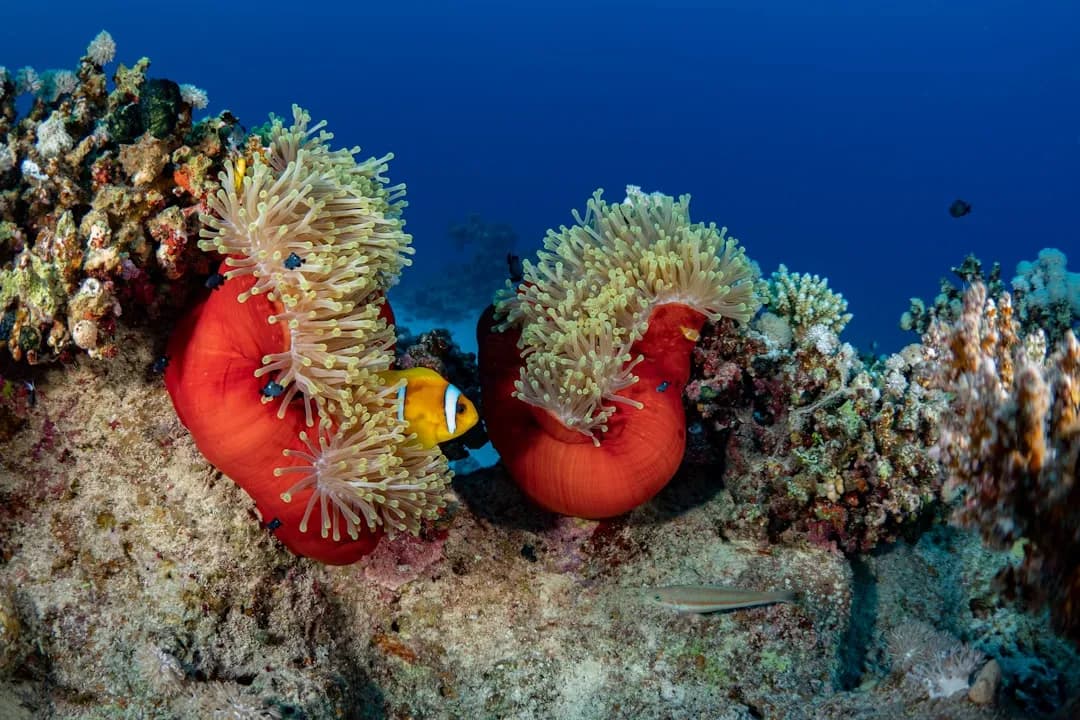
The Red Sea is one of the world's most accessible premium dive destinations — a short flight from Europe, year-round warm water, and decades of established dive infrastructure. Its reputation rests on two pillars: extraordinarily vivid coral reef systems and an exceptional density of World War II and merchant shipwrecks.
Sharm El-Sheikh, Hurghada, and Dahab are the main hubs, each offering different experiences. Ras Mohammed National Park protects some of the finest reef diving in the Red Sea. The wreck of the SS Thistlegorm — sunk in 1941 carrying military cargo — is considered one of the greatest wreck dives in the world.
6. Sipadan Island, Malaysia
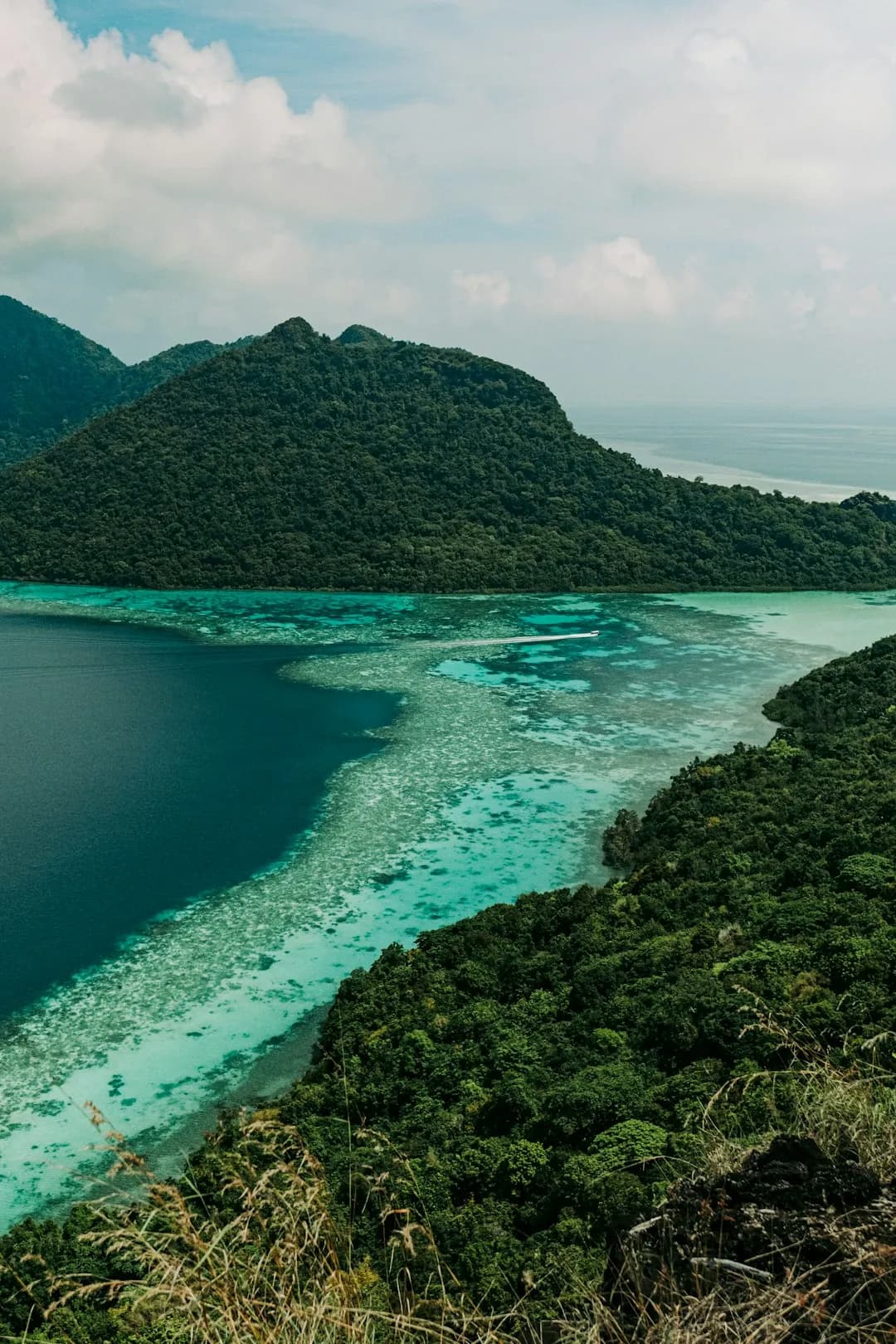
Sipadan, located off the eastern coast of Borneo, is Malaysia's only oceanic island and one of the most biologically rich dive sites in the world. It rises from a 600-metre deep sea floor and the walls plunge vertically from the island's shallow reef shelf into open ocean.
What makes Sipadan unique is its protection status. The Malaysian government removed all accommodation from the island in 2004 to minimise human impact, and access is now limited to 120 daily permits distributed to licensed dive operators. The result is pristine, undisturbed reef in a condition rarely seen at heavily visited destinations.
Divers regularly encounter large schools of barracuda and jackfish in tornado formations, green and hawksbill turtles in remarkable numbers, white-tip reef sharks, leopard sharks, and occasional hammerheads.
7. Palau, Micronesia
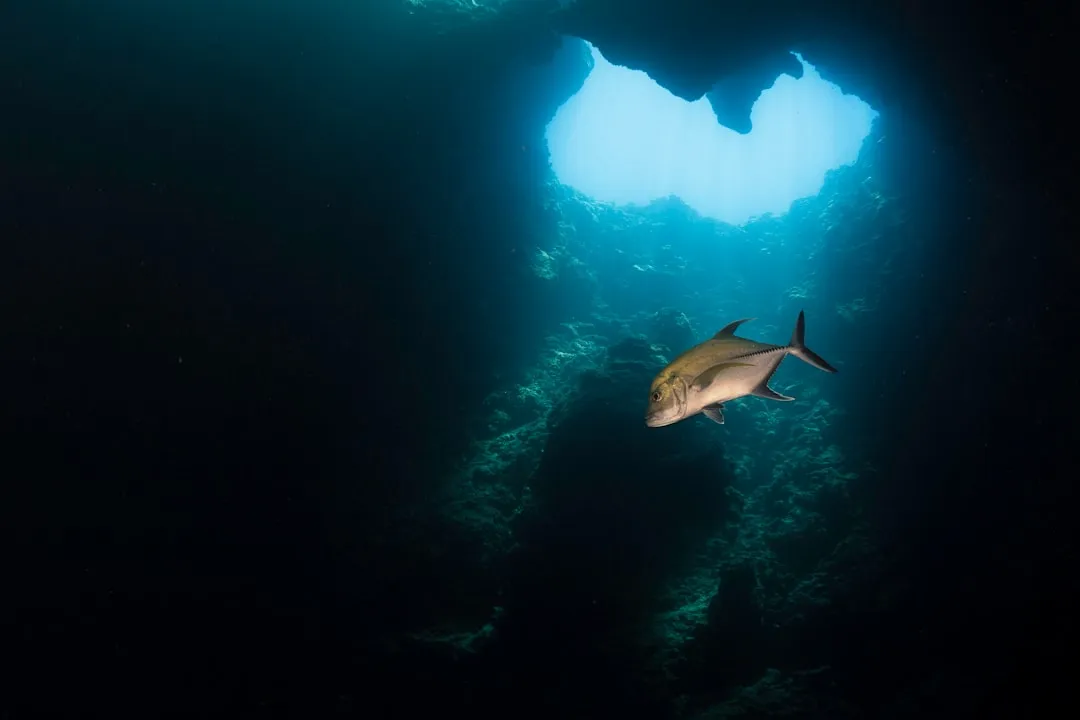
Palau is a western Pacific archipelago of over 500 islands with an underwater environment of extraordinary variety — from WWII wreck diving (the Japanese fleet sunk at Koror in 1944) to drift diving on current-swept walls, to the world-famous Jellyfish Lake, where millions of harmless golden jellyfish migrate daily.
Blue Corner is Palau's signature dive: a current-swept wall where reef hooks are used to anchor yourself against the flow while sharks, tuna, barracuda, and rays stream past at close range. It is one of the most exhilarating drift dives in the world and requires confident buoyancy control.
8. Maldives
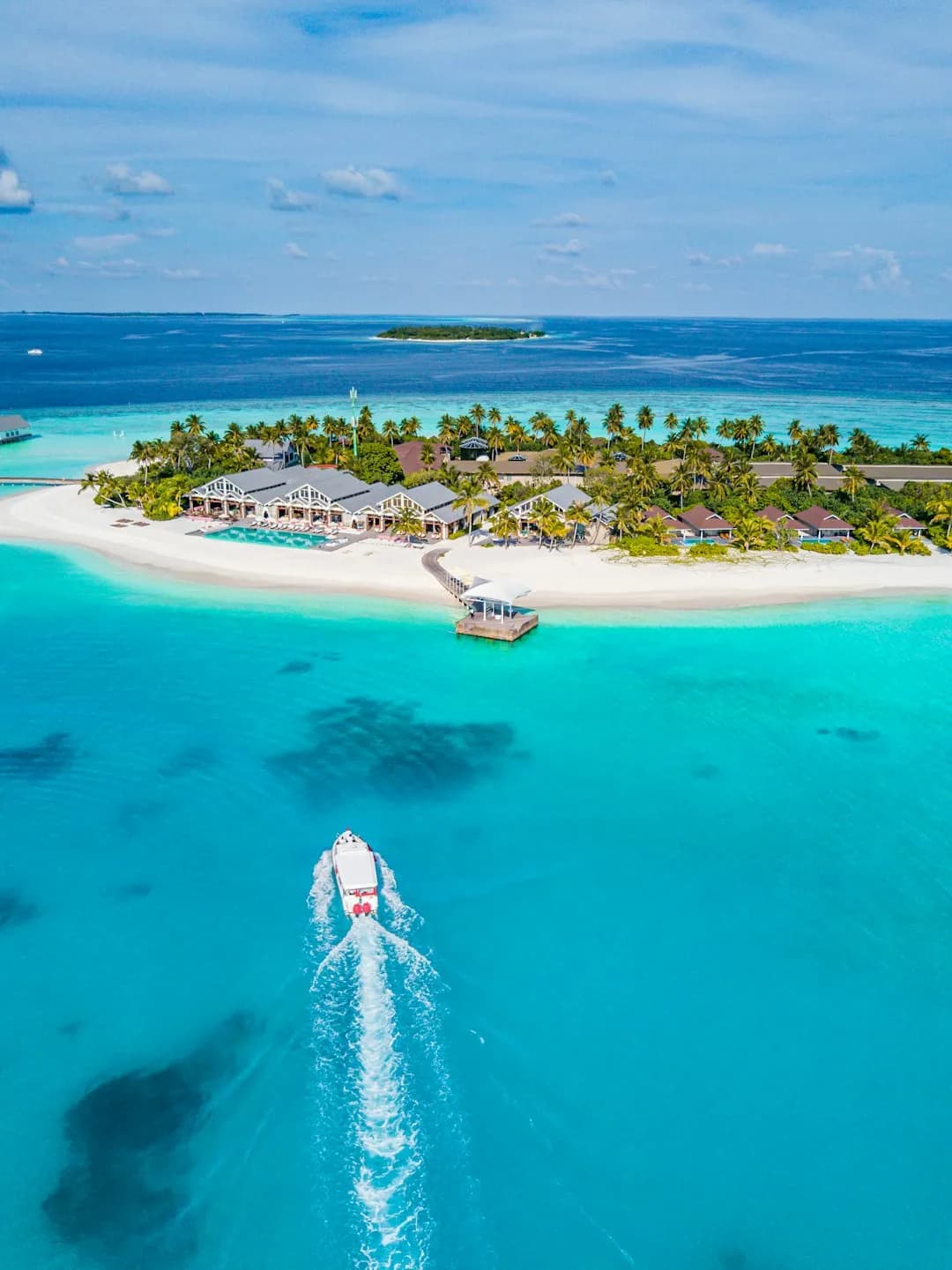
The Maldives consists of 26 coral atolls spread across the central Indian Ocean. For divers, it offers two distinct environments: thilas (submerged coral pinnacles rising from the atoll floor) and kandu channels (tidal passes where currents concentrate pelagic life). Both are world-class.
The Maldives is one of the best places on earth to dive reliably with manta rays and whale sharks, particularly in the southern atolls during the southwest monsoon season. Visibility is outstanding in the dry season, and the sheer scale of healthy coral coverage — much of which recovered impressively from the 1998 bleaching event — makes it visually exceptional.
9. Cozumel, Mexico
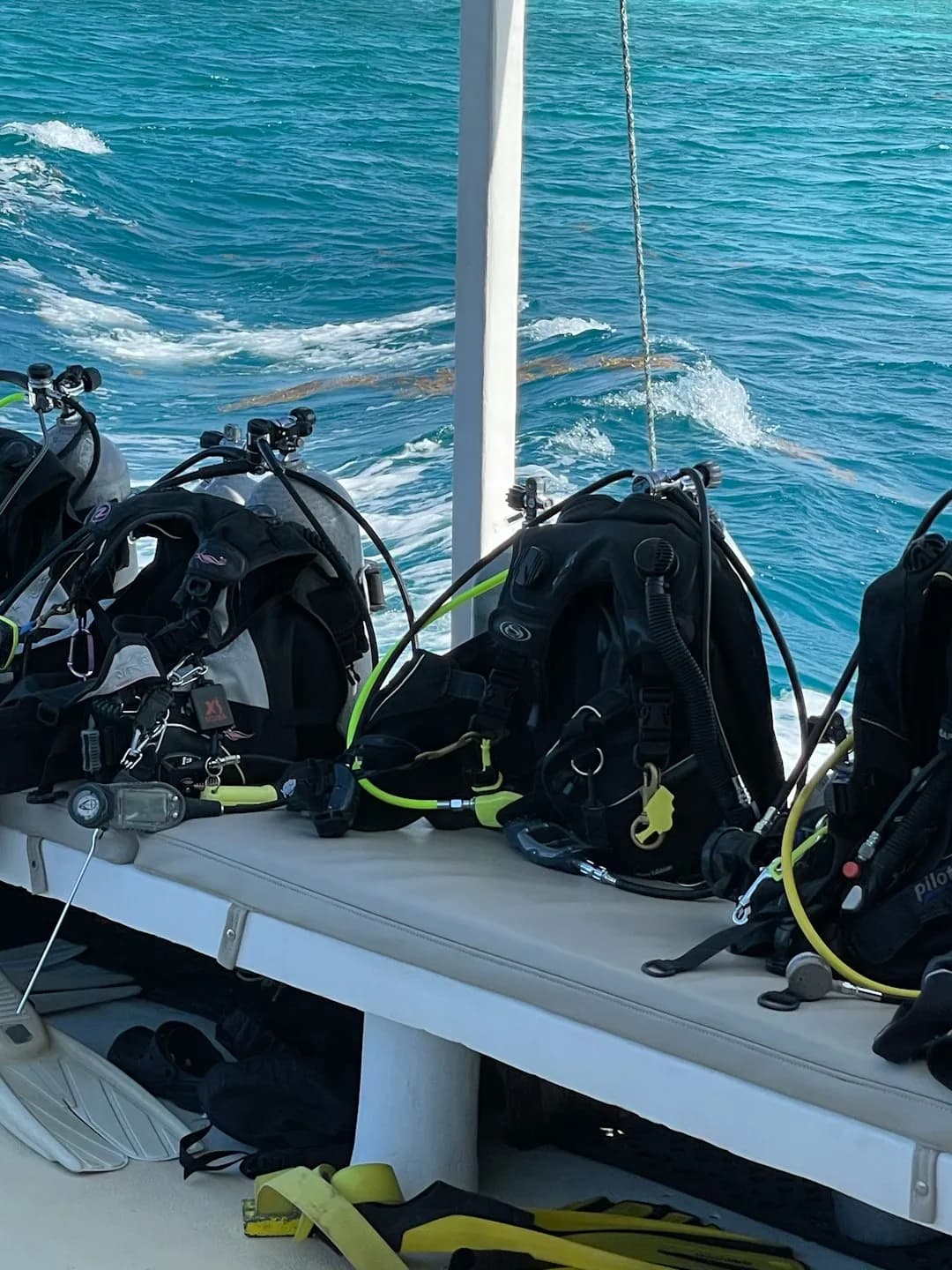
Cozumel is an island off Mexico's Yucatán Peninsula and part of the Mesoamerican Barrier Reef System — the second largest coral reef system in the world after the Great Barrier Reef. Its reputation is built on crystal-clear water, consistent current-assisted drift diving, and some of the most reliably healthy reef coral remaining in the Caribbean.
The drift here is gentle and enjoyable rather than demanding — you descend, let the current carry you along the wall, and watch the reef unroll beside you. Coral coverage is exceptional and recovering well since overfishing bans were strengthened. Eagle rays, green turtles, and large Nassau grouper are regular sightings.
10. Halkidiki, Greece
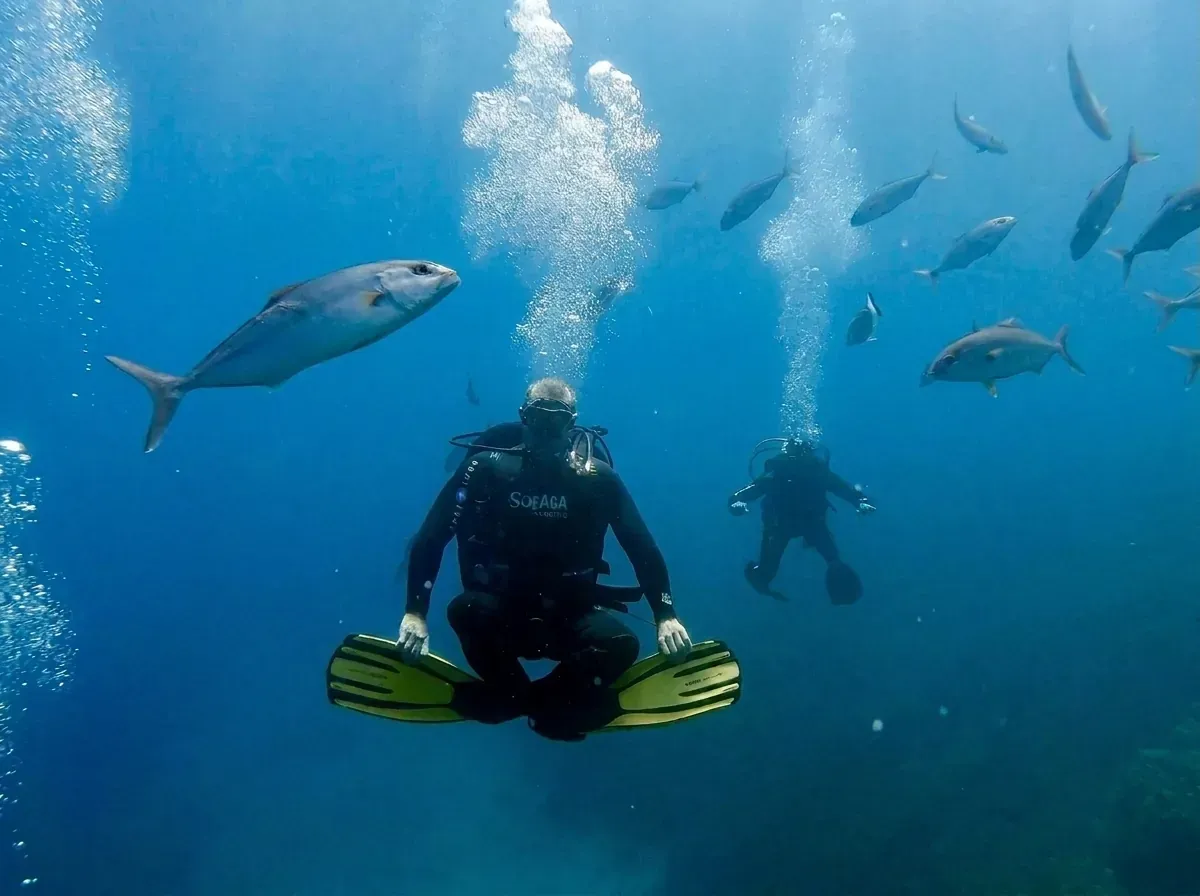
Halkidiki is the Mediterranean's most underrated dive destination — and for instructors who have dived across multiple continents, that is a considered assessment, not local pride.
The Aegean Sea around Halkidiki's three peninsulas — Kassandra, Sithonia, and the protected Mount Athos peninsula — offers a combination of conditions that is genuinely rare: 15–25 metres of visibility in summer, water temperatures of 22–26°C, minimal currents, sheltered bays, and an underwater landscape that shifts dramatically from site to site. Rocky reef formations, steep walls, sea caves, posidonia seagrass meadows, and ancient shipwrecks exist within kilometres of each other.
The marine life is Mediterranean in character — octopus, moray eels, grouper, sea bream, tuna (seasonally in May and September), seahorses, starfish, and scorpionfish are all resident. It is not the Coral Triangle in terms of biodiversity numbers, but the visibility, the water quality, and the absence of crowds create a diving experience that regularly surprises divers who arrive expecting a downgrade from tropical destinations.
The shipwrecks in the area add a historical dimension rare for a recreational dive destination. Halkidiki's coastal waters have seen Hellenistic, Byzantine, and modern maritime activity — artefacts and structures visible underwater reflect thousands of years of Aegean seafaring.
For divers planning their first open-water experience, the conditions in Halkidiki are among the most forgiving in the Mediterranean — calm, warm, and clear. Our complete beginner's guide to scuba diving covers everything you need to know before arriving.
Destination Comparison at a Glance
External sources: Bluewater Dive Travel — Best Scuba Diving 2026 · ZuBlu Diving — Most Popular Destinations 2026 · DiveBookings — Best Destinations 2026 · PADI — Diving Halkidiki · Visit Halkidiki — Scuba Diving
